
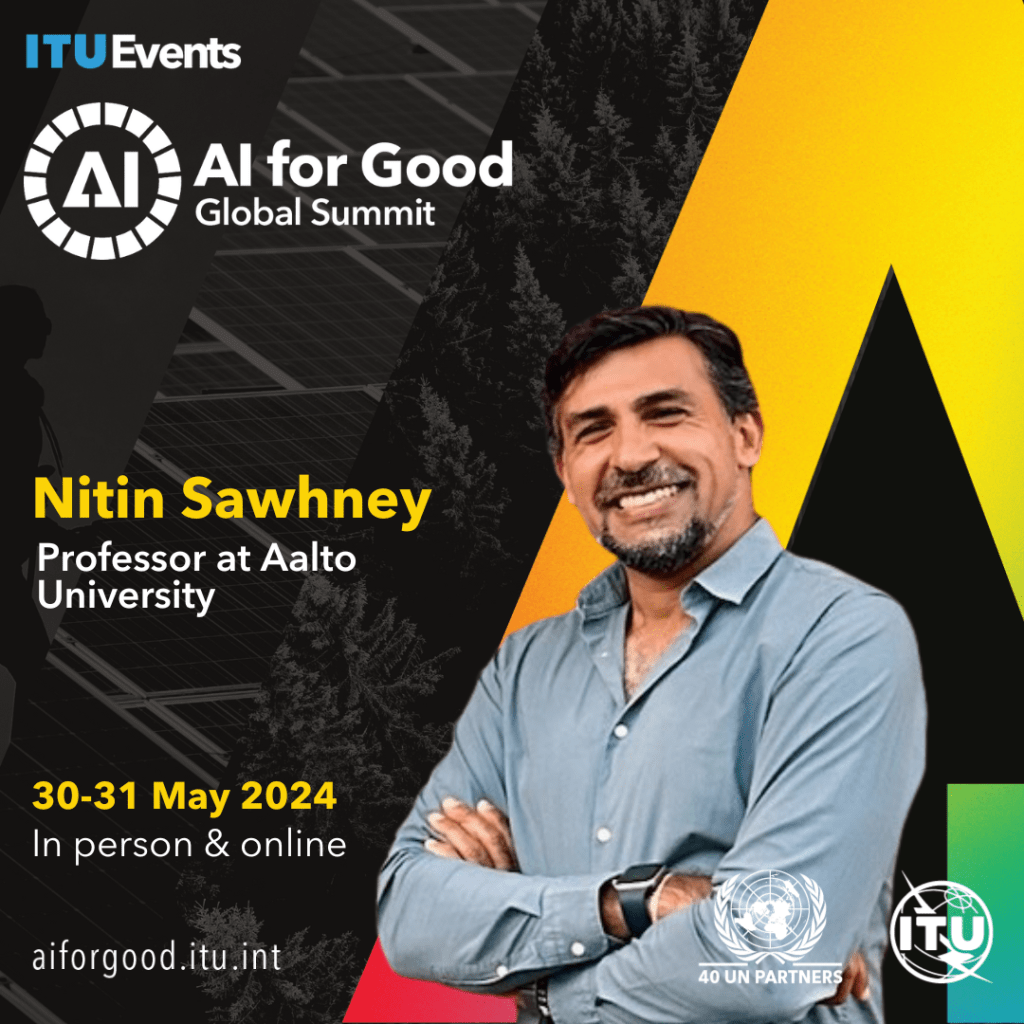
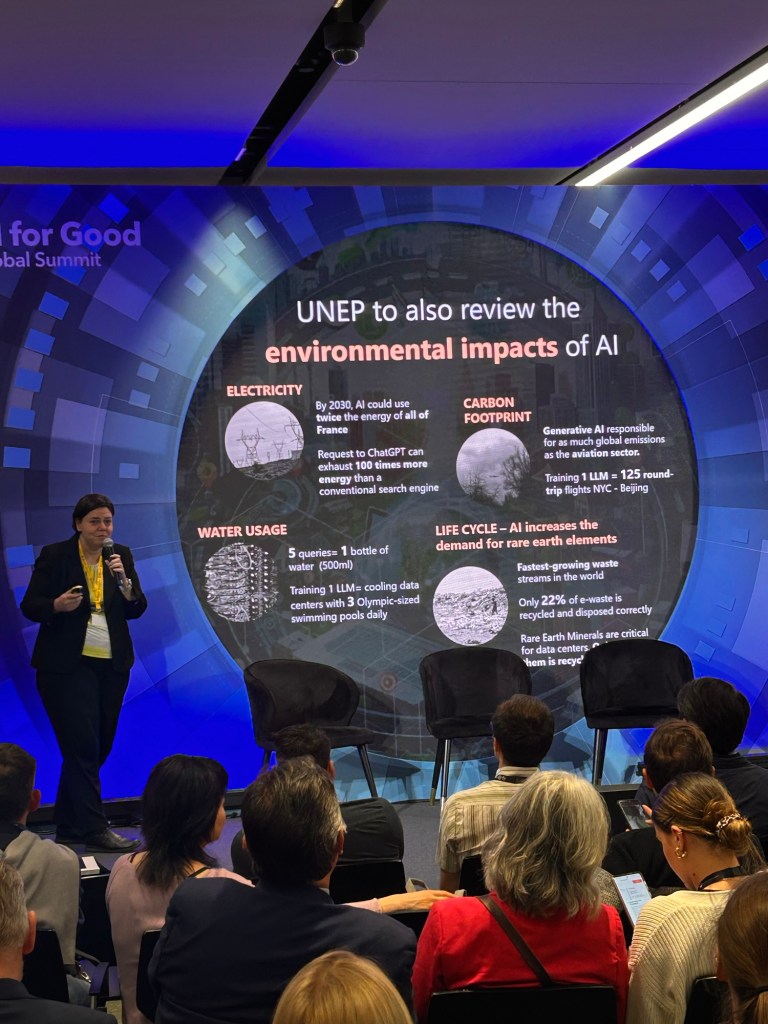
An intense few days at the AI For Good Global Summit in Geneva last week, with excellent sessions on AI Governance, Responsible AI practices, bridging gender gaps, tackling emerging crises, social inequities and environmental impacts caused by rapid adoption of AI technologies. How can we collectively engage in responsibly developing and regulating future AI systems to mediate their global impacts?
These are some of the issues many of the speakers & panelists across industry, academia and civil society debated in panels, workshops & presentations over the three days of the summit. https://aiforgood.itu.int
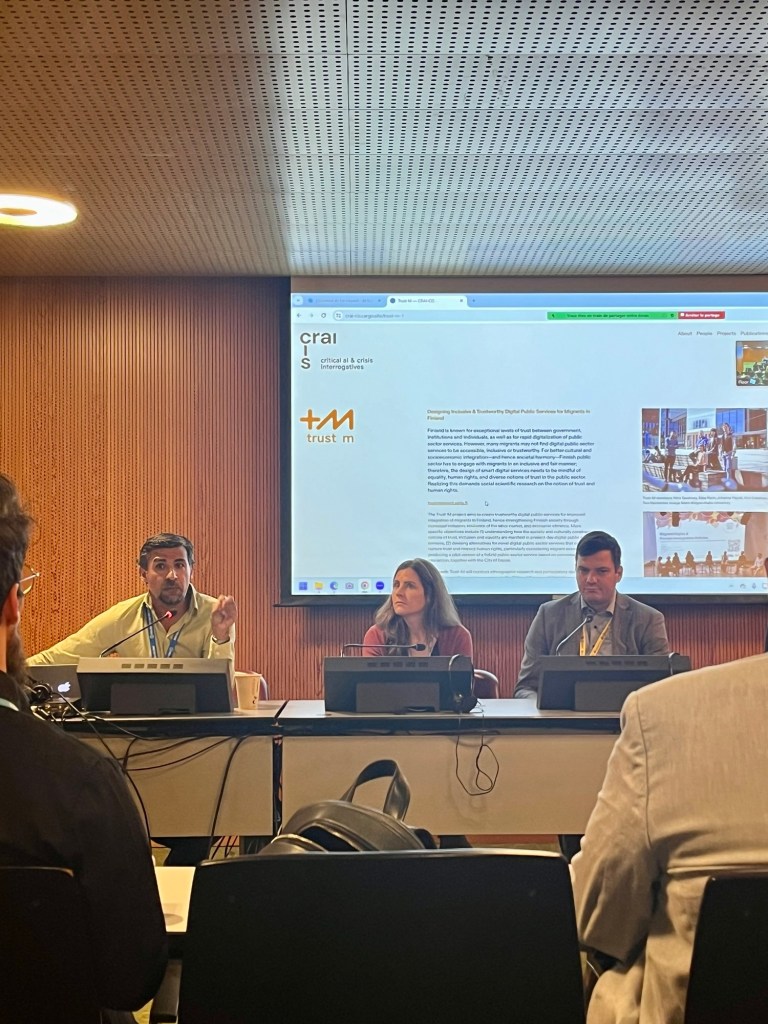
In our Collective AI for Impact workshop, I discussed how we can foster effective collaboration between researchers and societal actors as a process of co-learning and jointly devising the goals, methods & metrics for social impact. I also mentioned our shared responsibility for the potential harms it may cause for social justice, human rights and war, as in Gaza today. Somehow that really resonated and led to a vibrant discussion with UN folks. https://aiforgood.itu.int/event/collective-ai-for-impact/
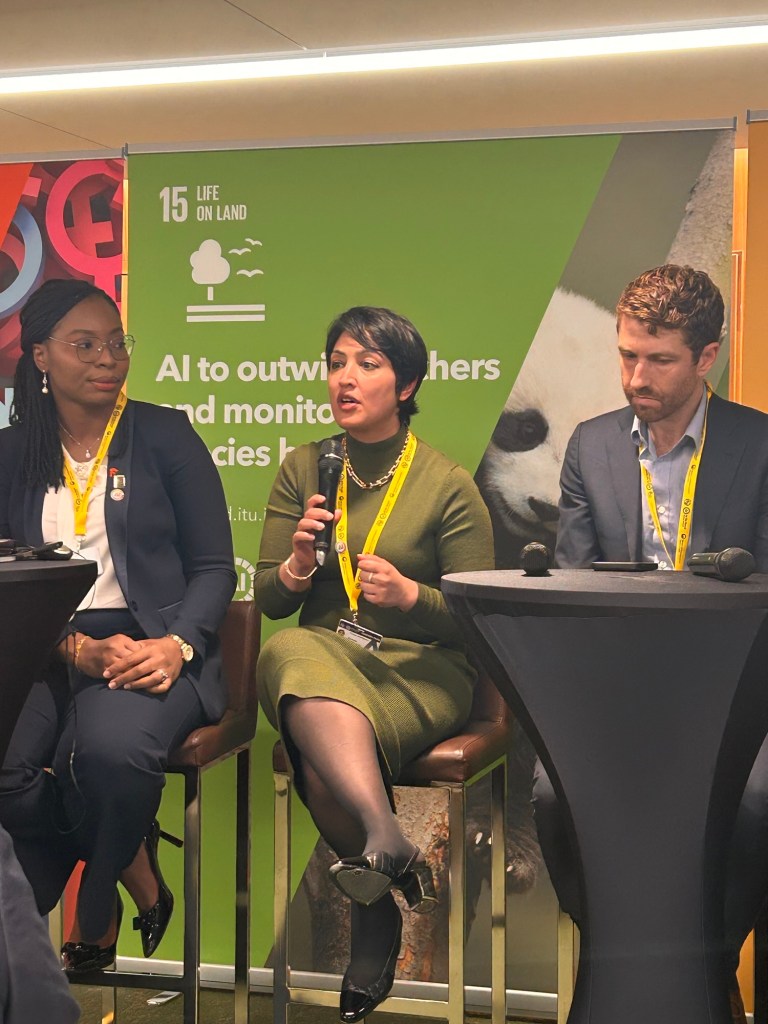
Rumman Chowdhury (HumaneIntelligence) offered a critical perspective on tackling the safety & risks of emerging foundational models in her panel, and how red teaming by civil society experts & volunteers is crucial to enforce oversight.
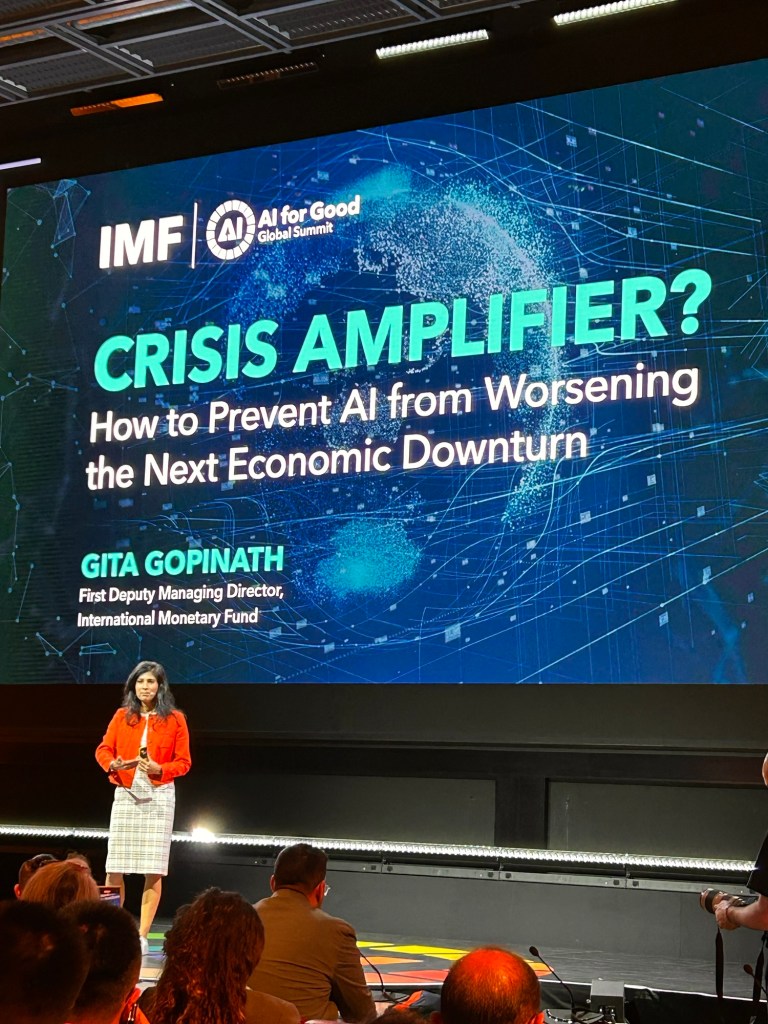
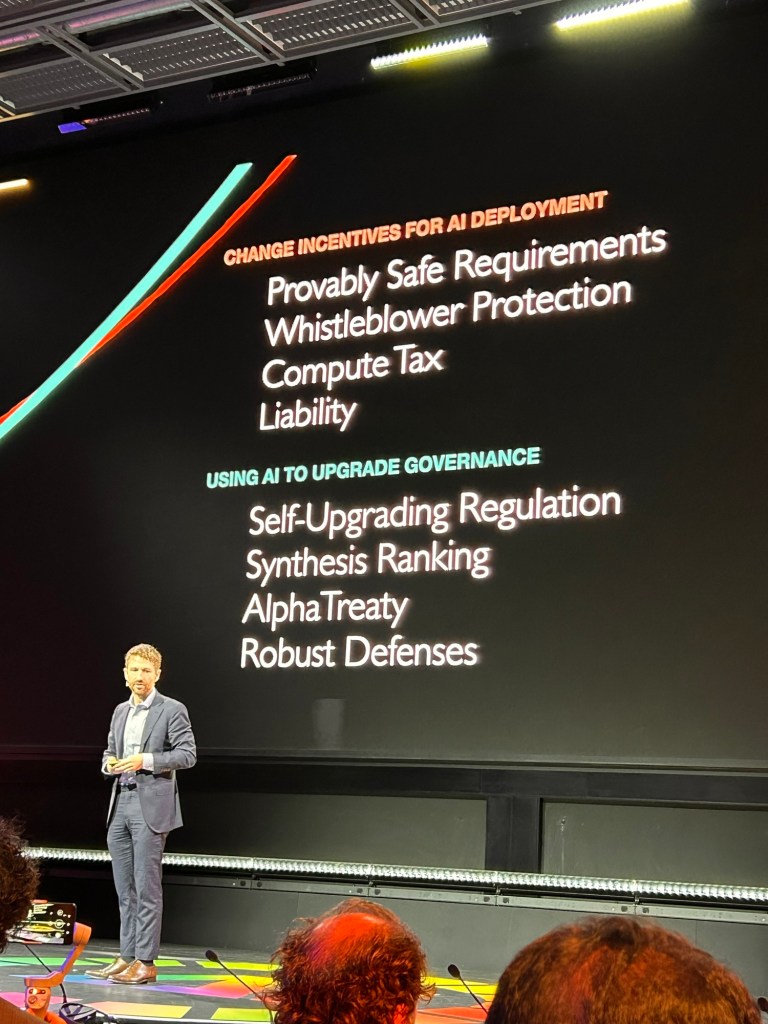
Tristan Harris from the Center for Humane Technology (CHT) discussed pragmatic ways for mediating AI risks including provably safe requirements, self-upgrading regulation, and synthesis ranking, while Gita Gopinath (IMF) highlighted actions to prevent algorithmic trading from worsening financial crises in an economic downturn.
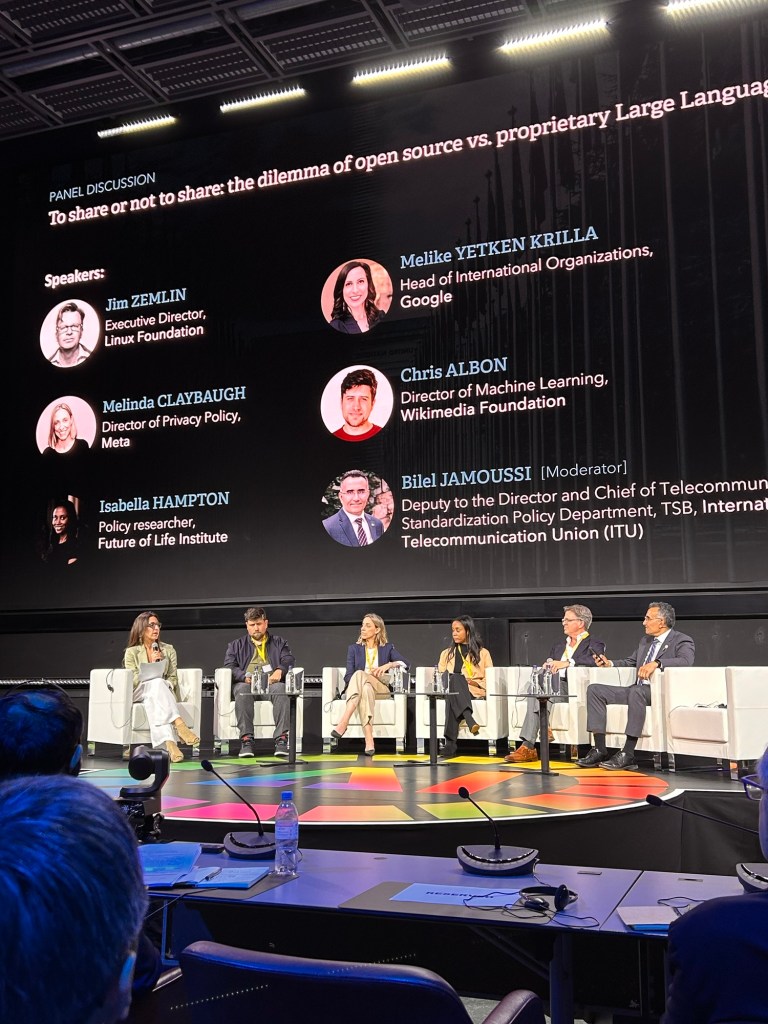
Representatives from Google, Meta, Wikimedia and the Future of Life Institute debated open vs. proprietary LLMs. Jim Zemlin (The Linux Foundation) mentioned a more holistic framework for open LLMs across the full stack to ensure they are properly assessed. This is crucial not just for trustworthy models & LLM weights, but also for verifiable datasets and safety protocols & tooling.
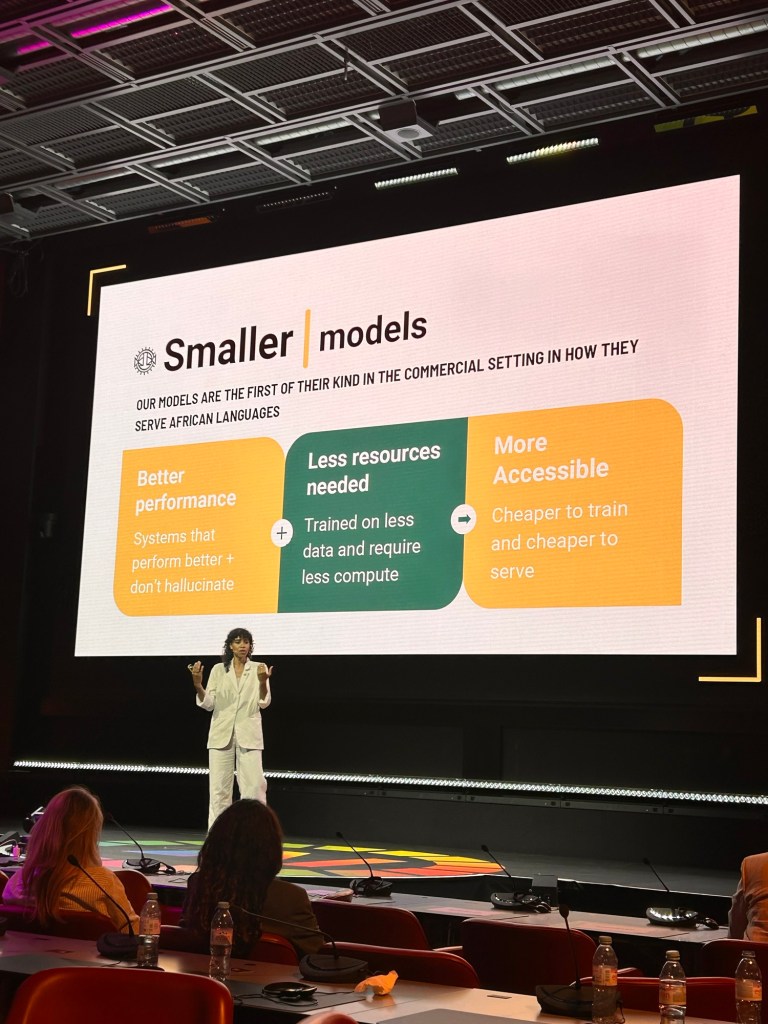
Pelonomi Moiloa, co-founder of Lelapa AI, offered a distinct vision of Africa-centric AI innovations in LLMs for low-resource African languages, using smaller accessible models with lower compute & environmental resources.
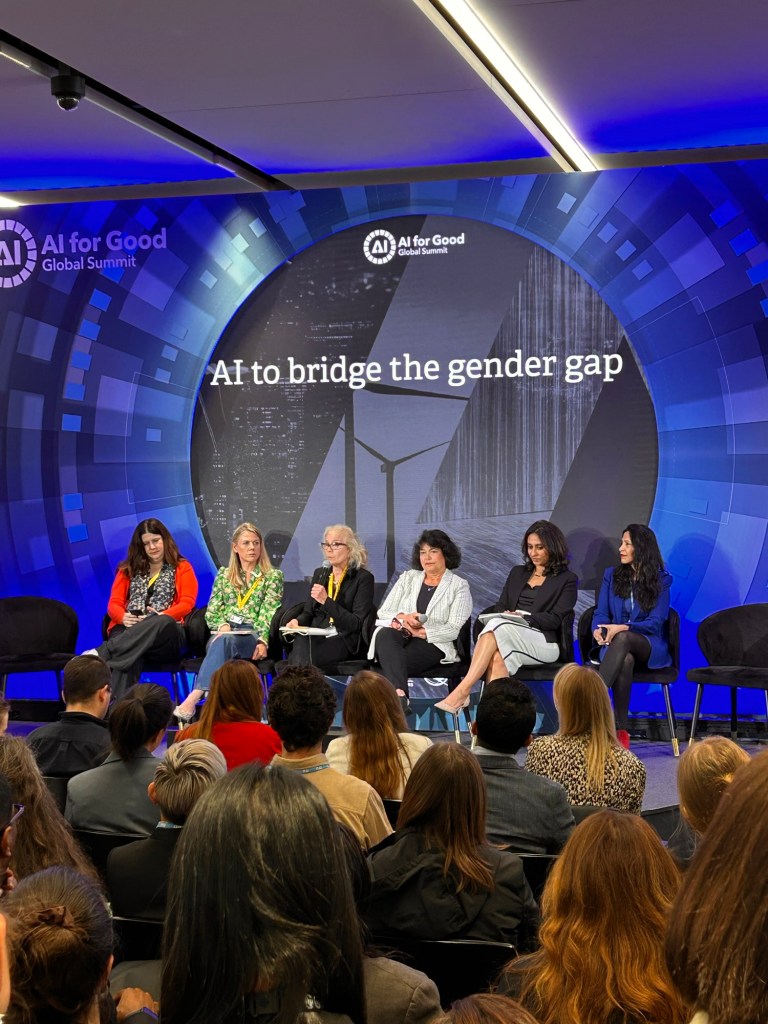
A timely panel on bridging the gender gap in AI, with Sharmista Appaya (The World Bank Group), Mia Shah-Dand among others, offered crucial insights on engaging women (and minorities) in financial inclusion, leadership, and principles of intersectional feminism across the lifecycle and ecosystem of AI-based innovations.
These were just some of the many interdisciplinary perspectives at the summit, which are much needed going forward (see videos of most sessions on YouTube). Hope these conversations and dialogues continue in other forums.


 Nitin Sawhney